
Owning a farm may sound idyllic, but it has significant downsides to consider. The key cons of owning a farm are documented in our list below:
Farm Ownership Cons
- High Costs – Purchasing land and equipment requires huge capital, and ongoing expenses (seeds, feed, fuel, repairs) are substantial.
- Unpredictable Risks – Profits depend on weather and markets. Droughts, floods, or crop diseases, as well as swings in commodity prices, can cause major financial losses.
- Hard Work & Management – Farming isn’t passive. It demands long hours or hiring skilled managers.
- Labor shortages – Tough working conditions add to the difficulty.
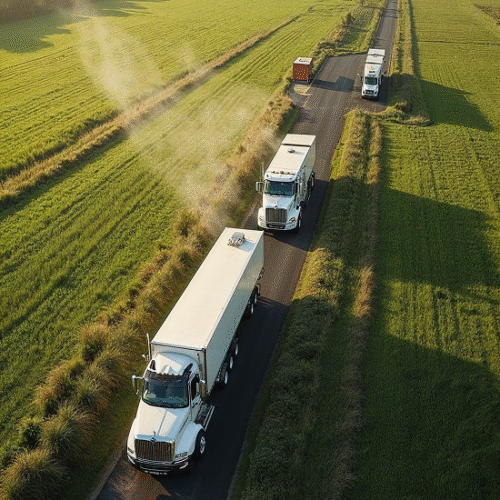
- Hard to sell – Farmland isn’t easy to sell quickly. If you need to cash out, it can take months or longer to find a buyer at a fair price.
Farm Ownership Without Burdens
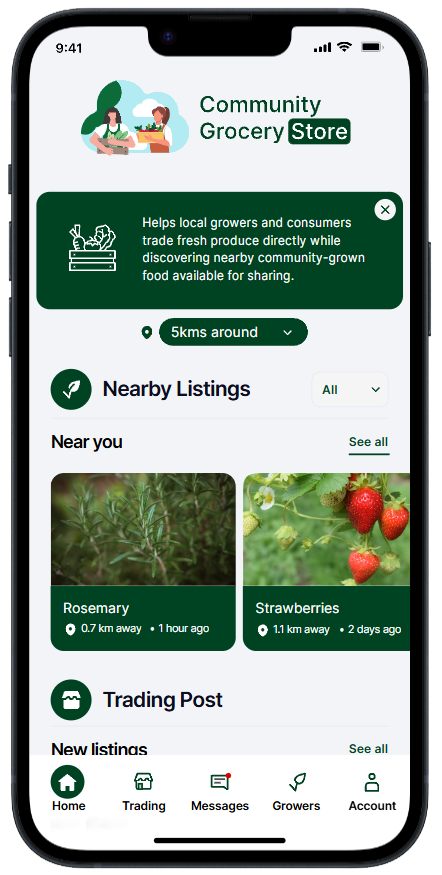
These challenges make owning a farm a tough proposition for many investors. The CGS platform offers a way around these cons. By investing through the CGS app, you gain exposure to agriculture without carrying these burdens alone.
CGS pools resources into a diversified network of farms, so no single storm or crop failure can wreck your investment. Its blockchain infrastructure provides transparent, secure transactions. The built-in grower-consumer marketplace ensures farms have steady demand and fair pricing, helping smooth out volatility.
And you won’t be the one waking up at dawn to fix a tractor, professional farm operators handle the work while you invest passively. In short, the cons of owning a farm are numerous, but CGS eliminates most of them with a modern, tech-driven approach.
You get the upside of farming minus the headaches. Embrace CGS today to invest in agriculture the smarter way.